History
The Legend of the Red Baron during World War I
August 30, 2026
Manfred von Richthofen, known for his iconic red aircraft, became an immortal figure of the First World War. However, his true story is much more complex. From his shaky beginnings in aviation to the neurological effects that eventually impaired his judgment, this account explores the career of Europe’s most feared pilot and the unprecedented respect he earned from his rivals after his final flight.
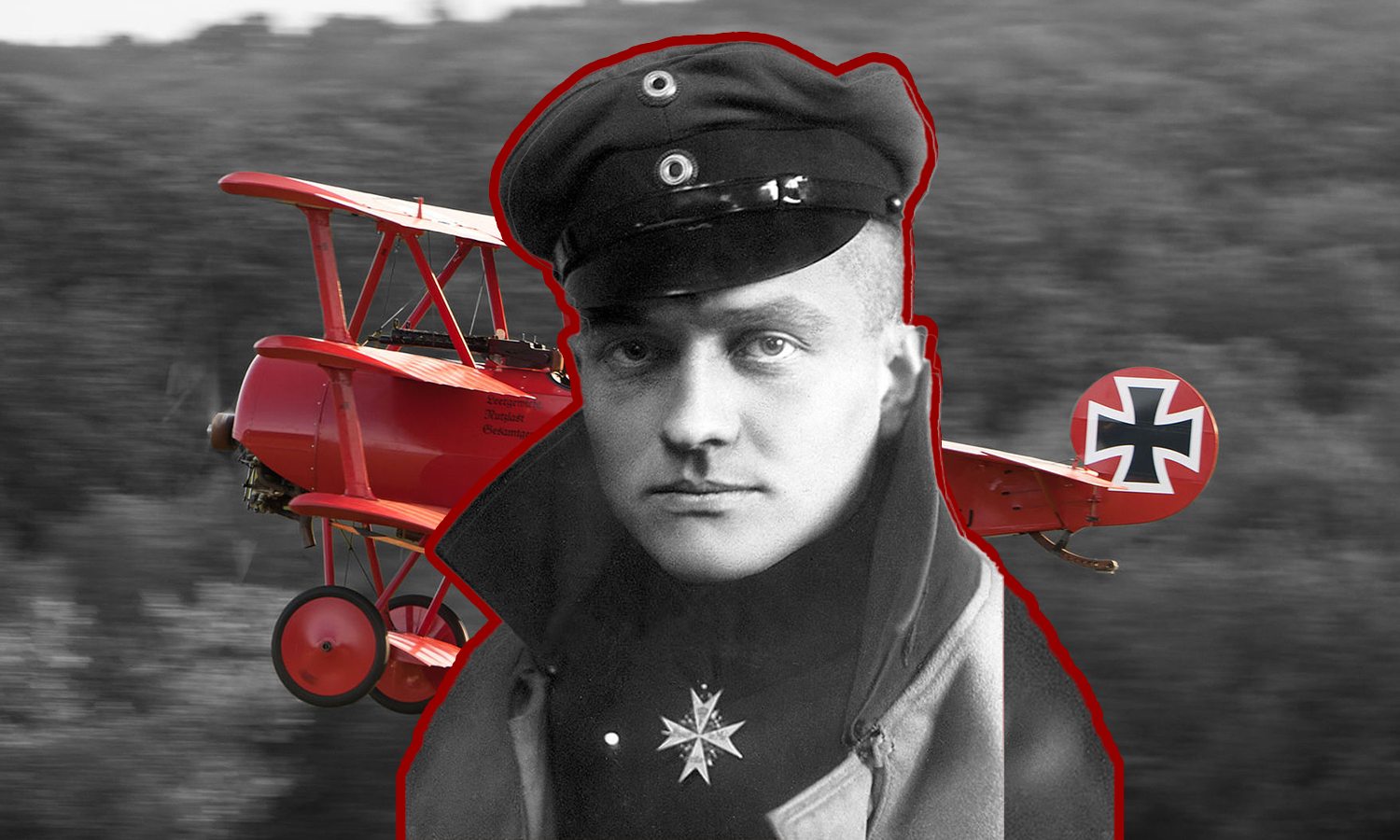
Manfred von Richthofen, globally recognized as the "Red Baron," was the most famous and deadly fighter pilot of World War I. Coming from a Prussian aristocratic background, he achieved 80 confirmed aerial victories between 1916 and 1918, earning the title of the "ace of aces" of the conflict. His nickname was derived from the vibrant crimson color with which he painted his aircraft, as well as his noble title of Freiherr (Baron).
He was born in 1892 into an aristocratic Prussian family in Breslau, which is now known as Poland. Trained for a military career, he began World War I in 1914 as a cavalry officer. However, the rapid onset of trench warfare rendered mounted troops obsolete, forcing him to take on supply duties. Frustrated with this situation, he requested a transfer to the air service, famously stating, "I did not come to the war to collect cheese and eggs."
"I wrote a letter to my General, saying, 'My dear Excellency, I have not gone to war to collect cheese and eggs, but for another purpose.' Initially, those in higher authority wanted to reprimand me for my tone. However, they eventually granted my wish. That is how I joined the Air Service at the end of May 1915."
—The Red Fighter (1917) by Manfred von Richthofen.
His initial experience in the Luftstreitkräfte (German air force during WWI) in 1915 was not promising; he failed his first flight test after crashing. However, his fortunes changed when he met the ace Oswald Boelcke, who recruited him for Jasta 2. Under Boelcke's guidance, Richthofen achieved his first confirmed victory in September 1916. By 1917, while commanding Jasta 11 and later the renowned "Flying Circus" (JG 1), his leadership and relentless tactical precision established him as the leading figure in Prussian military aviation.
The trauma that changed his behavior
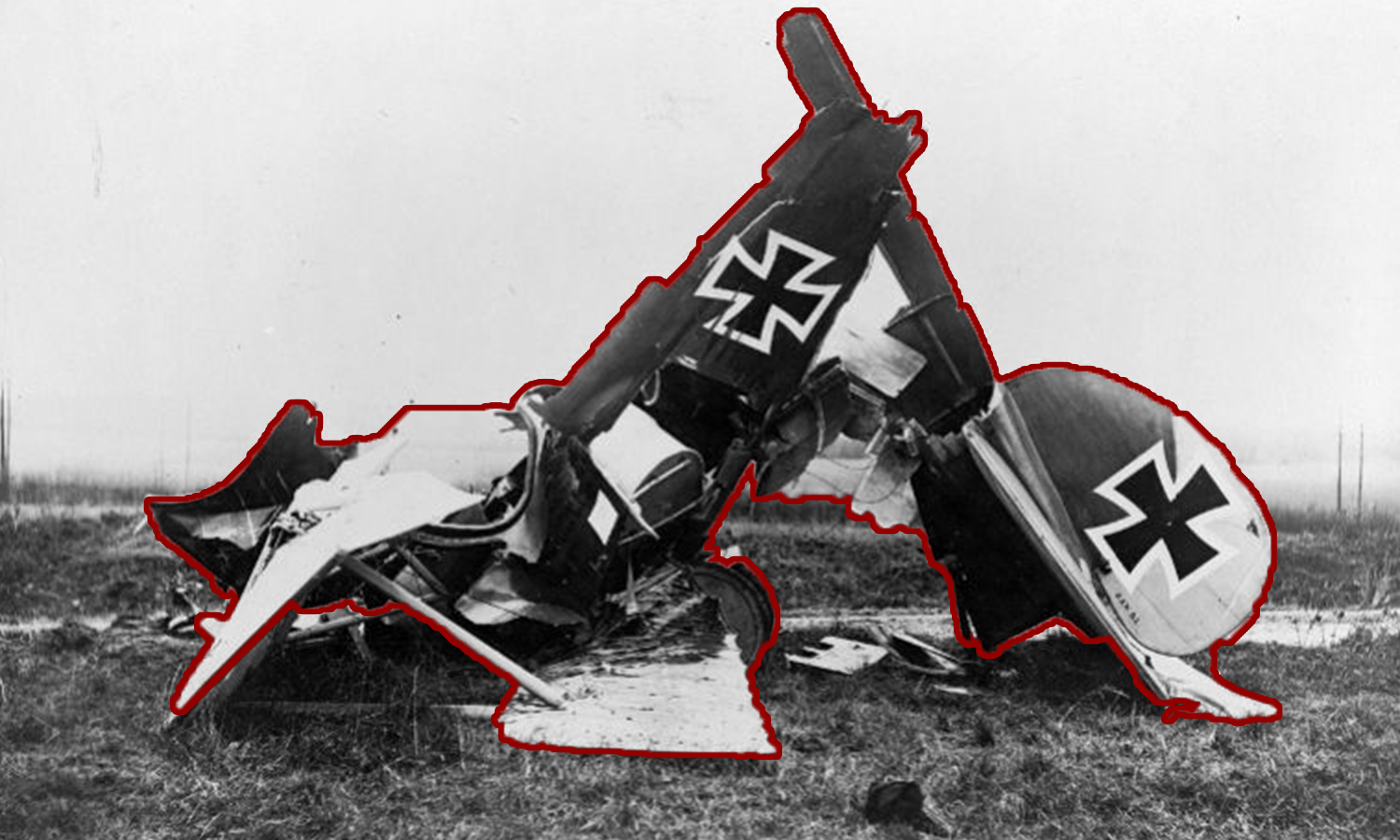
On July 6, 1917, while engaged in combat over Flanders, a bullet from a British F.E.2d grazed his skull. This wound resulted in temporary blindness and impaired his ability to control the aircraft. Despite these challenges, he successfully managed to make an emergency landing.
Even though the official German story bragged about a miraculous recovery, the reality was that he experienced lasting damage to his brain. He dealt with brain damage, intense migraines, and felt nauseous after every flight. On top of that, his personality took a big hit. The once cool and calculated pilot—who never took risks unless the odds were in his favor—turned apathetic, depressed, and impulsive. Both doctors and historians agree that he shouldn’t have gone back to combat.
This slip in judgment peaked on April 21, 1918, when he went against his own rules and chased after a rookie pilot at a low altitude, getting deep into enemy territory. Unfortunately, he was hit by a single deadly shot from Australian ground machines, which ultimately took his life.
An enemy honored by his rivals
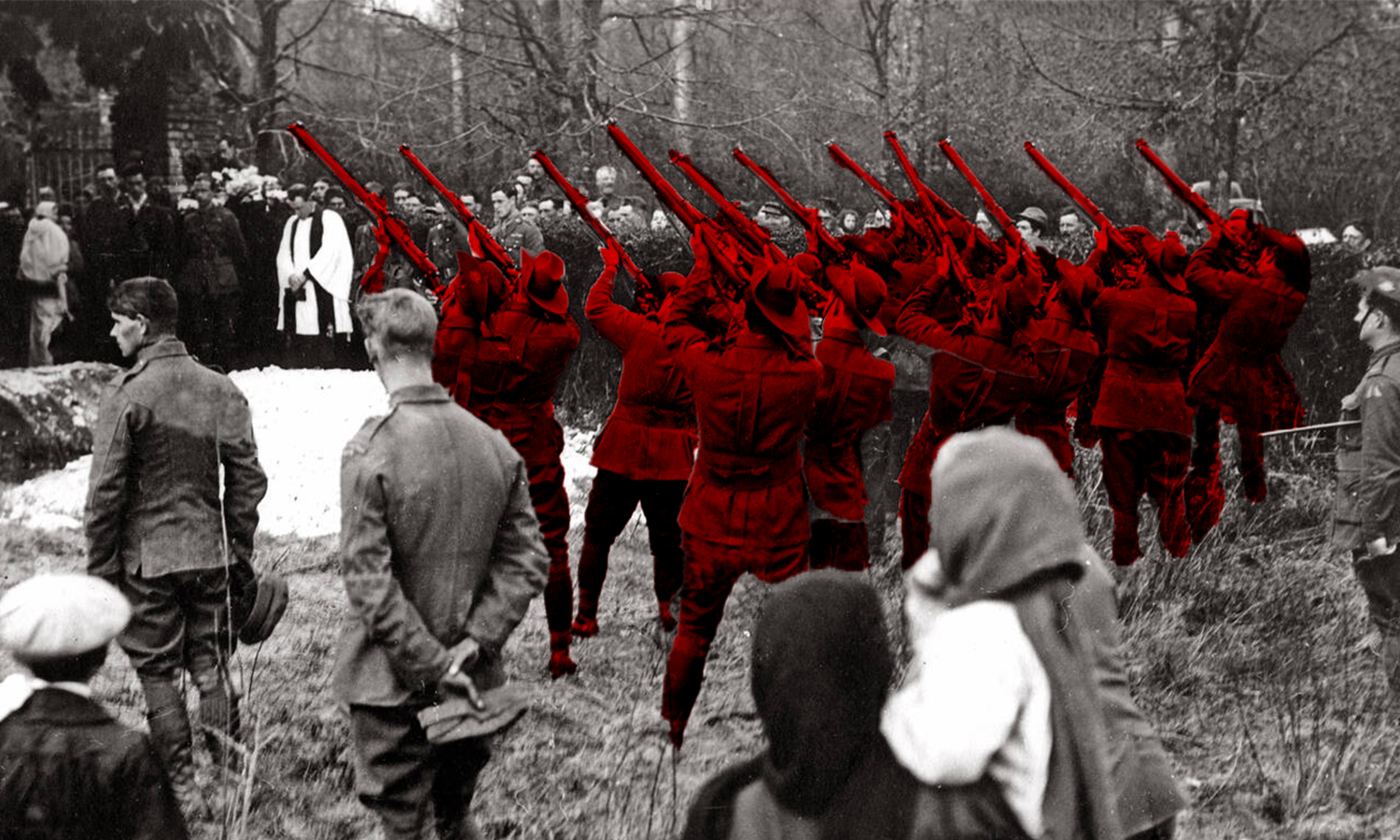
Despite wartime propaganda that portrayed the Germans negatively, Richthofen was highly respected by Allied aviators. After his aircraft crashed near the Somme River, Australian forces recovered his body with great solemnity.
On April 22, 1918, No. 3 Squadron of the Australian Flying Corps conducted a burial with full military honors at Bertangles Cemetery. Six captains served as pallbearers, three rifle volleys were fired into the air, and wreaths were laid with inscriptions dedicated to their "gallant and noble enemy."
The event was documented through photographs and film, and leaflets regarding the burial were dropped from Allied aircraft over German airbases to officially inform them of their commander's death.